


في هذا المقال
Biggest Ever World Cup, Nearly Here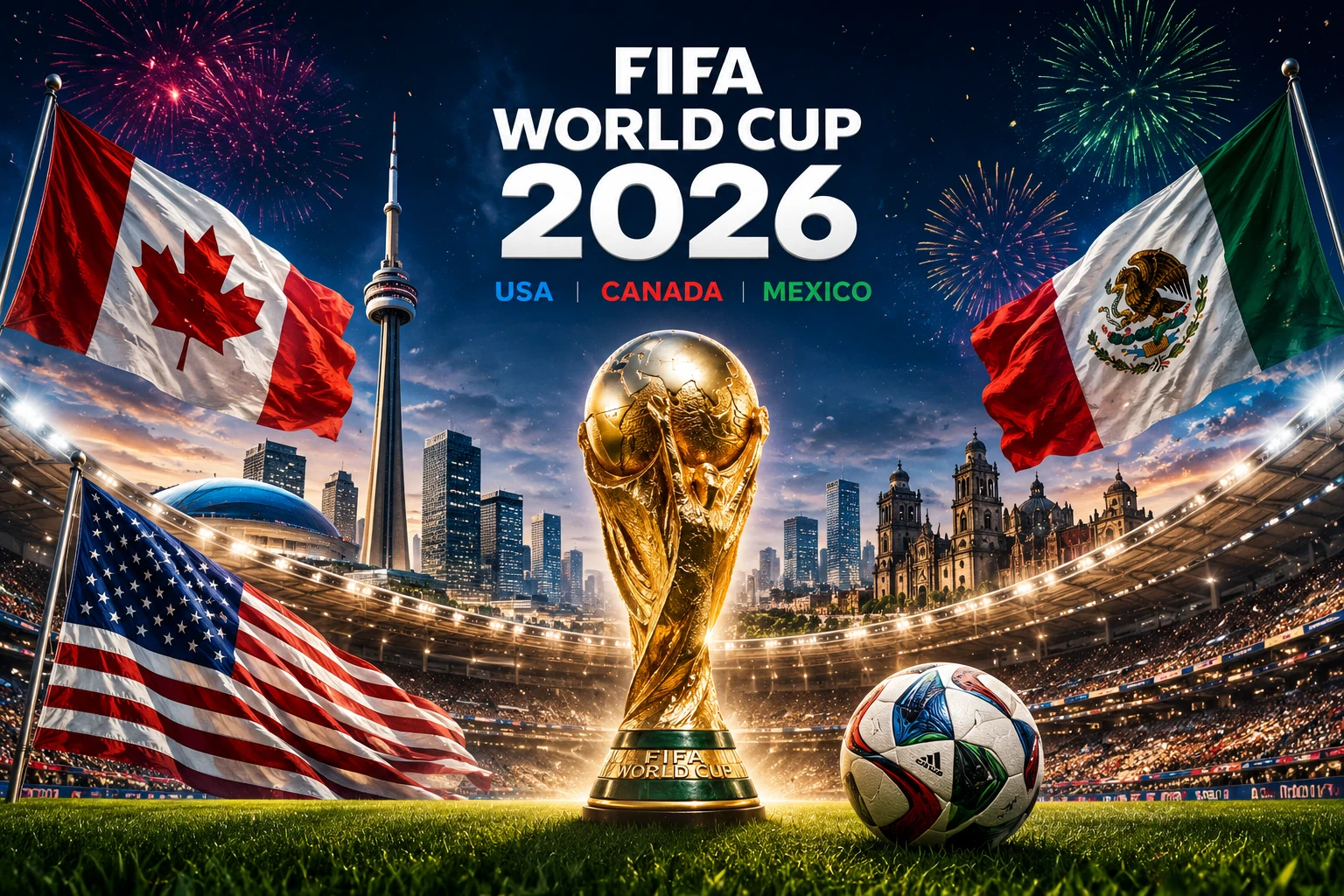
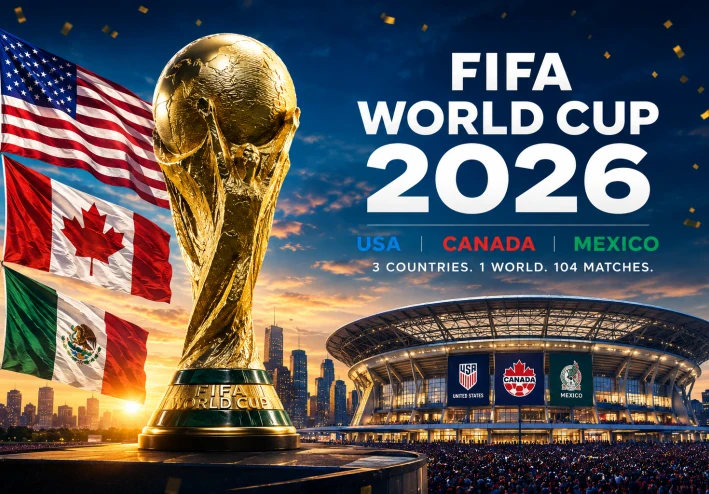
Three countries. 48 teams. More than 100 matches.
This tournament set to become a record-breaker - football
, on a global scale, is never going to look quite the same again.
There is a very specific feeling of anticipation that is unique to the World Cup - a feeling which begins months beforehand, gently at first, and then grows to a hum, almost palpable, in the air around you. That hum feels different this time. Larger, more vibrant. The FIFA World Cup 2026 isn't just another football competition that just happens to be happening on your calendar.
It is the most ambitious tournament ever to have been organised, and the world knows it.
Staged across the United States, Canada and Mexico, this year's competition is setting more benchmarks than at any other time in its history: more teams, more matches, more people around the planet tuned in. In short, if the World Cup has always been the big game, then 2026 is the arena they were still building.
Why this time is different
Every World Cup touts its 'historical' status. This one does. The most important change to 2026 is the first in a generation for a World Cup, three host nations: US, Canada and Mexico. This required more extensive planning, and a rethink of how the tournament would actually function.
Out with the 32-team groups that fans have known since 1998, in come 48 nations competing in groups of four, with the top two in each, along with eight third-placed teams, all making it through to a 32-team knockout round. While complex in theory, this simply makes for a lot more games, many more countries with a real hope of winning the whole thing, and the opportunity to be thrilled by unexpected teams who punch above their weight - all elements that makes the World Cup so exciting.
Imagine the implications in Africa, Asia and the Americas. Smaller federations which once qualified, only to crash out at the group stage, will get at least one more match, the chance to truly stake a claim for glory on the world's grandest stage.
Three countries, one tournament
This is a kind of homecoming for Mexico. The Azteca Stadium in Mexico City is the backdrop to some of sport’s most defining moments: the image of Pelé lifting the trophy after being paraded around the ground with it back in 1970, Maradona's 'Hand of God' goal and the 'goal of the century' in 1986. Add 2026 to the Mexico City roll call, and the nation enters an exclusive club. It will be the first nation to host three men’s World Cup Tournaments.
For the United States, this moment feels more like an coming-of-age in global terms. Americans have a deeper passion than they used to, an enthusiasm that the 2026 tournament looks to build upon, with domestic interest in the sport growing. The MLS is expanding, young Americans are growing up watching their European heroes in the Premier League and Champions League and for many, 2026 will feel like the ideal culmination of years of building soccer awareness in the States. Meanwhile, the tournament will bring a first for Canada.
The country has never hosted a men's World Cup before and this significant achievement is sure to be celebrated by those developing their national game.
Players to look out for
Every World Cup brings with it conversations about who really owns the sport, but 2026 has the most open-ended conversation in a decade: who do you place your money on? The global superstars of the previous decade who have shaped football to now either hanging up their boots or are approaching their careers’ conclusion, have left a space that many new talents are eager to fill. West African forwards who are now integral parts of the best clubs in Europe will be on show, as will South American midfielders who see angles nobody else can with their passes and defenders from less obvious nations around the footballing world, whose sublime skills have led them to becoming a genuine star of the game. The winner of this year's tournament is likely to not just create a new champion, but several new legends.
Record-breaking global audience
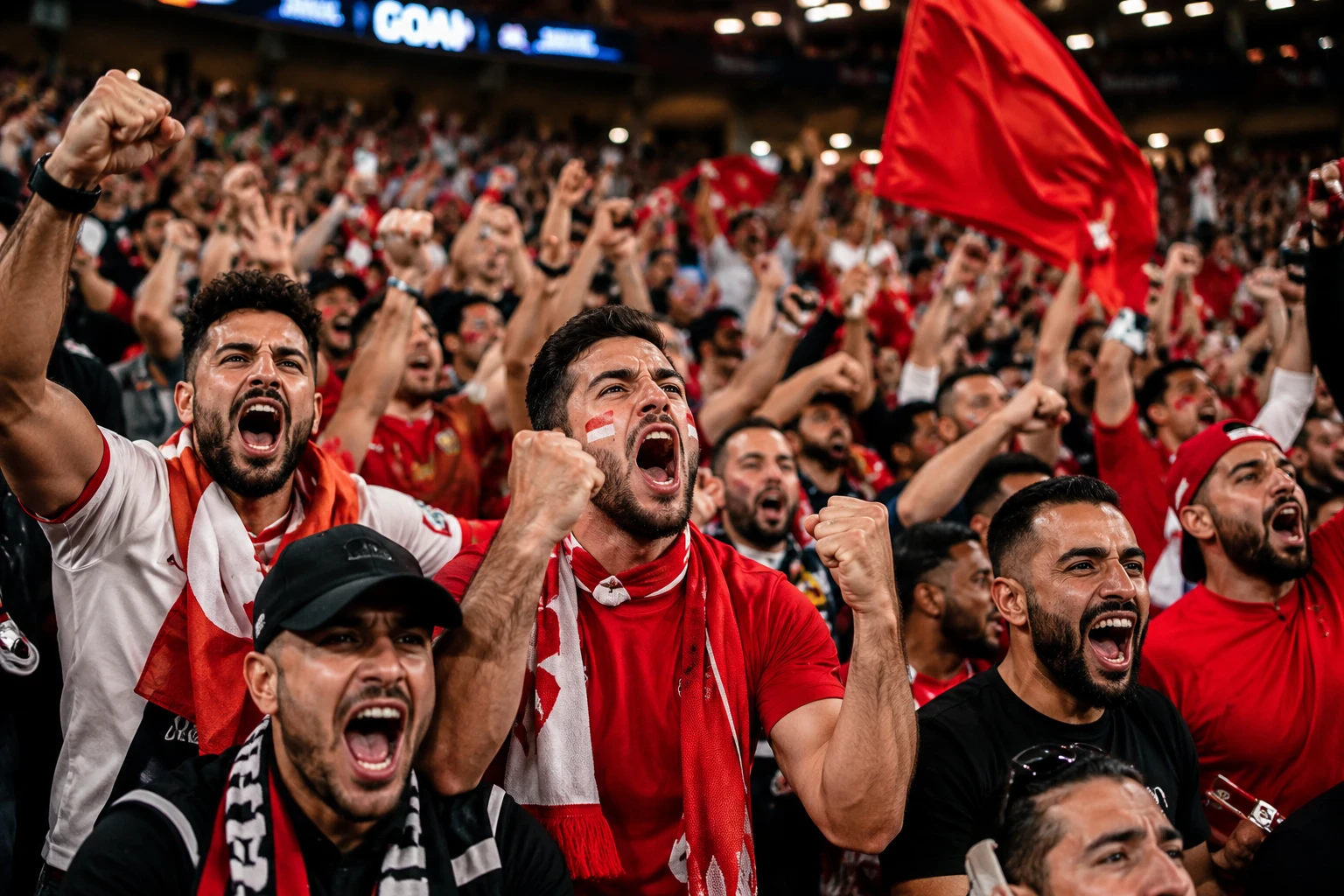
Interest in the 2026 World Cup on social media and in searches is up from where it usually is on average, across non-traditional football viewing markets as well as long-time football enthusiasts in Europe and South America. Broadcasters are predicting audiences figures beyond what any of the preceding tournaments managed to attract. Part of this is down to an additional 16 teams and a larger programme of games, offering more broadcasting opportunities. Another factor is the schedule – it will be held during the summer.
But more significantly it is down to soccer's growing worldwide dominance.
Impact beyond the field
While a World Cup tournament's economic impact is huge, the 2026 tournament, held across three countries and 16 cities, is on a different level entirely. Host city governments are predicting tourism numbers greater than any event they’ve ever hosted. Hotels and Flights are booking up fast. Economies will be given the boost for some time.
This is a once in a generation branding and marketing opportunity - particularly in this World Cup’s case since it takes place during convenient hours in both Europe and America, the most lucrative time zones for viewership. The lucrative and wide ranging sponsorship deals are set to reach record heights.
When kick-off comes
Above all else, expect the unpredictable. What happens when you change it from 32 teams to 48? The opportunity for smaller nations with talent to pull off upset results goes up significantly, and gives unseeded teams more opportunities to string results together and achieve success. That’s not just a shift in format.
The World Cup will deliver more of the dramatic moments that leave stadia – and living rooms – erupting in cheers or sinking into the silence of utter shock. This group stage has already delivered and the teams and stars that will emerge from it is going to be legendary; more upset results, more shocks, and a player whom nobody previously has ever really paid attention to scoring, with the kind of accuracy, vision and execution that will be talked about for years to come. At some point during the tournament someone is going to cry, with the cameras hanging on the emotional moment, and it’s a picture that will be printed on newspapers around the world and featured heavily on news reports. It is what the World Cup is - it is always changing and, as has been happening once every four years for decades, that changes come in a very bigger size for 2026, in three countries at the same time.
It is being broadcast to the greatest ever number of viewers of any soccer competition, and includes more teams than in any previous event. What’s going to matter ultimately when all is said and done - who will walk away from it lifting that golden trophy? It’s going to be so interesting as nobody knows yet; that’s what it's about.








النقاش
التعليقات (0)
فكرة تضيفها، أو سؤال يفتح حوارًا.
الرجاء تسجيل الدخول لتتمكن من التعليق