The United States and Venezuela: A History of Power, Oil,and Intervention
Introduction
The relationship between the United States and Venezuela has long been shaped by economic interests, political ideology, and strategic influence in Latin America. While Venezuela has never experienced a full-scale military invasion by the United States, its modern history is deeply marked by foreign intervention, covert operations, economic pressure, and political conflict. Understanding this relationship requires tracing its roots from the early 20th century to the present day.
Early Relations and the Rise of Oil (1900–1950)
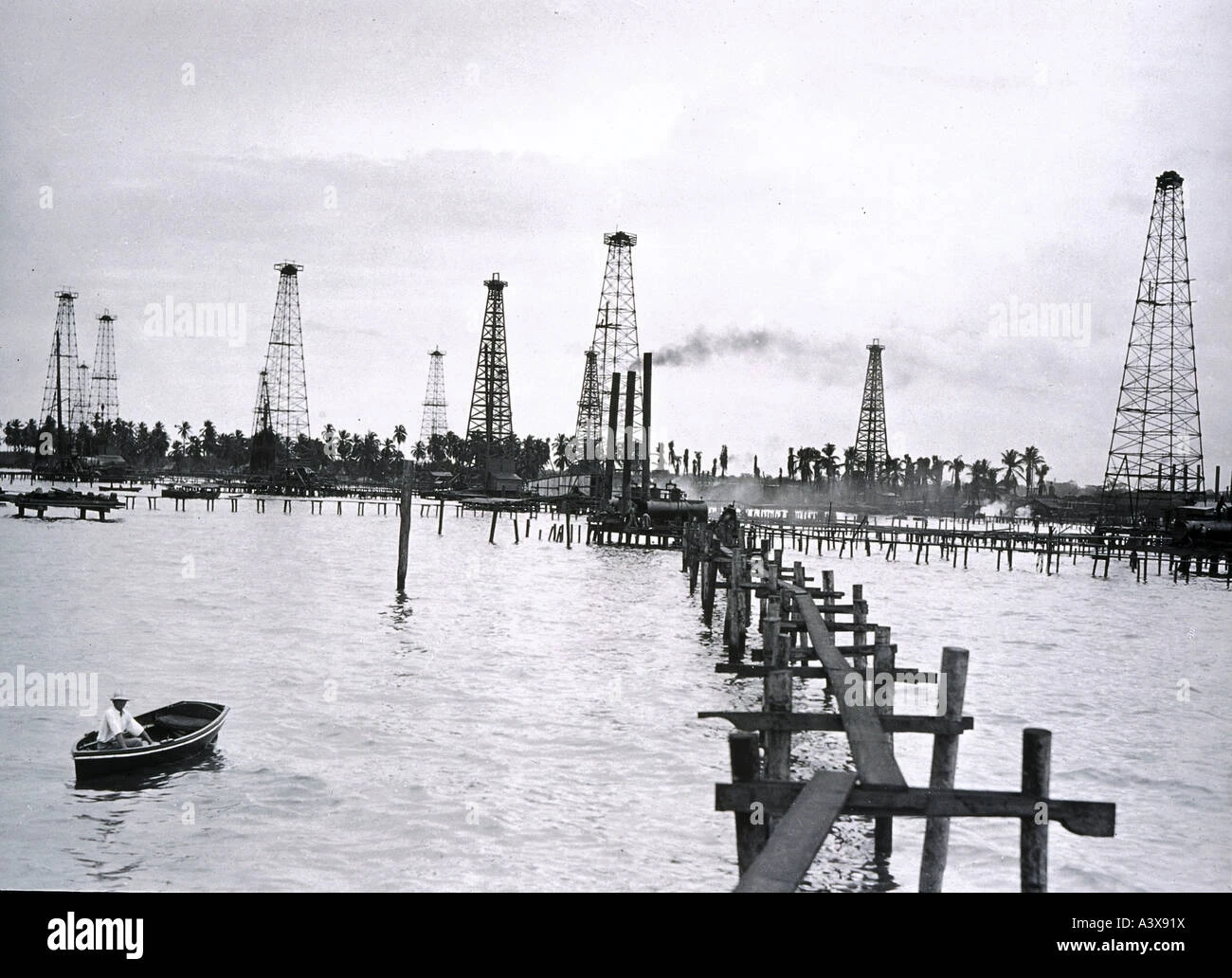
In the early 20th century, Venezuela became one of the world’s most important oil producers. American oil companies such as Standard Oil gained significant influence over Venezuela’s economy. During this period, U.S. foreign policy focused on securing stable access to oil resources, often supporting authoritarian governments that aligned with American interests.
Cold War Influence and Political Control (1950–1990)
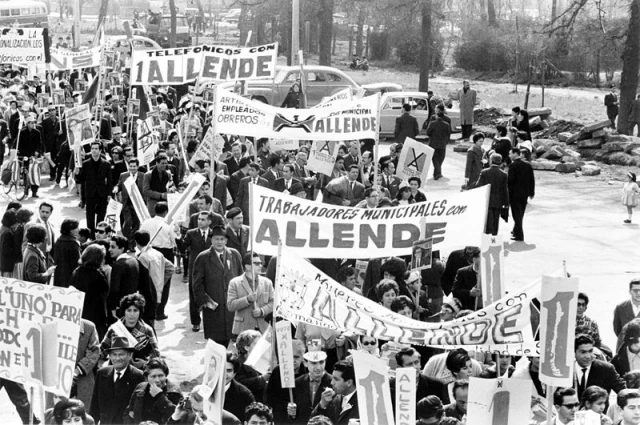
During the Cold War, the United States viewed Latin America through the lens of anti-communism. Venezuela, despite having democratic phases, remained under strong U.S. influence. Washington actively worked to prevent socialist or left-wing movements from gaining power, fearing the spread of Soviet-aligned ideologies in the region.
Hugo Chávez and the Turning Point (1999–2013)
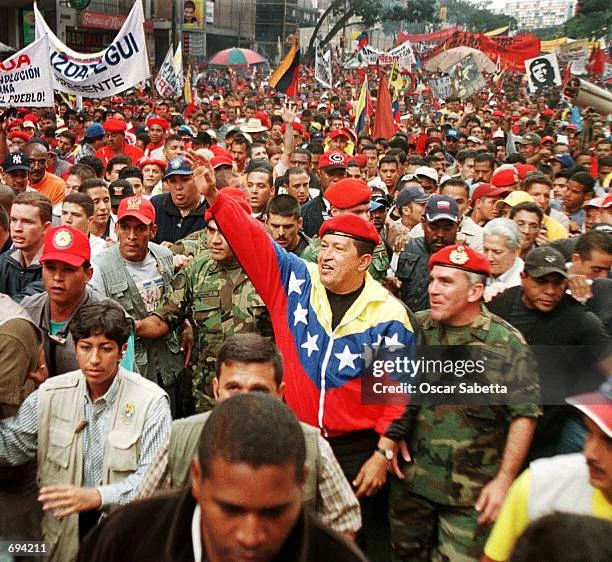
The election of Hugo Chávez in 1999 marked a major shift in U.S.–Venezuela relations. Chávez adopted a socialist ideology, nationalized oil industries, and openly challenged U.S. dominance. In 2002, a failed coup attempt against Chávez was widely believed to have indirect U.S. support, further deepening hostility between the two nations.
Sanctions, Pressure, and Allegations of Invasion (2013–2020)
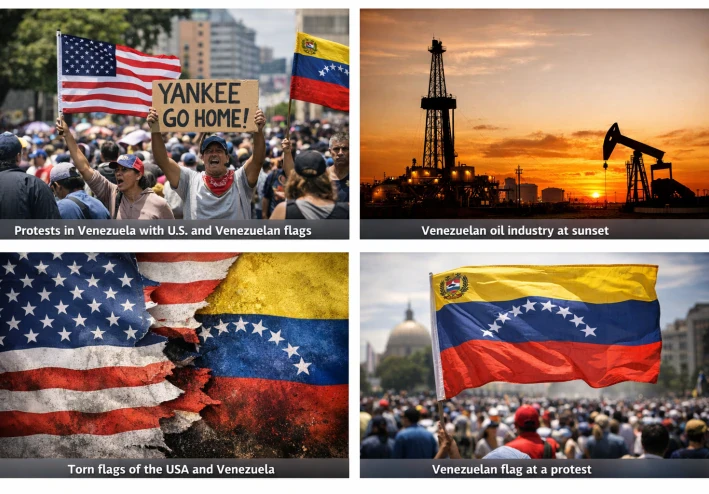
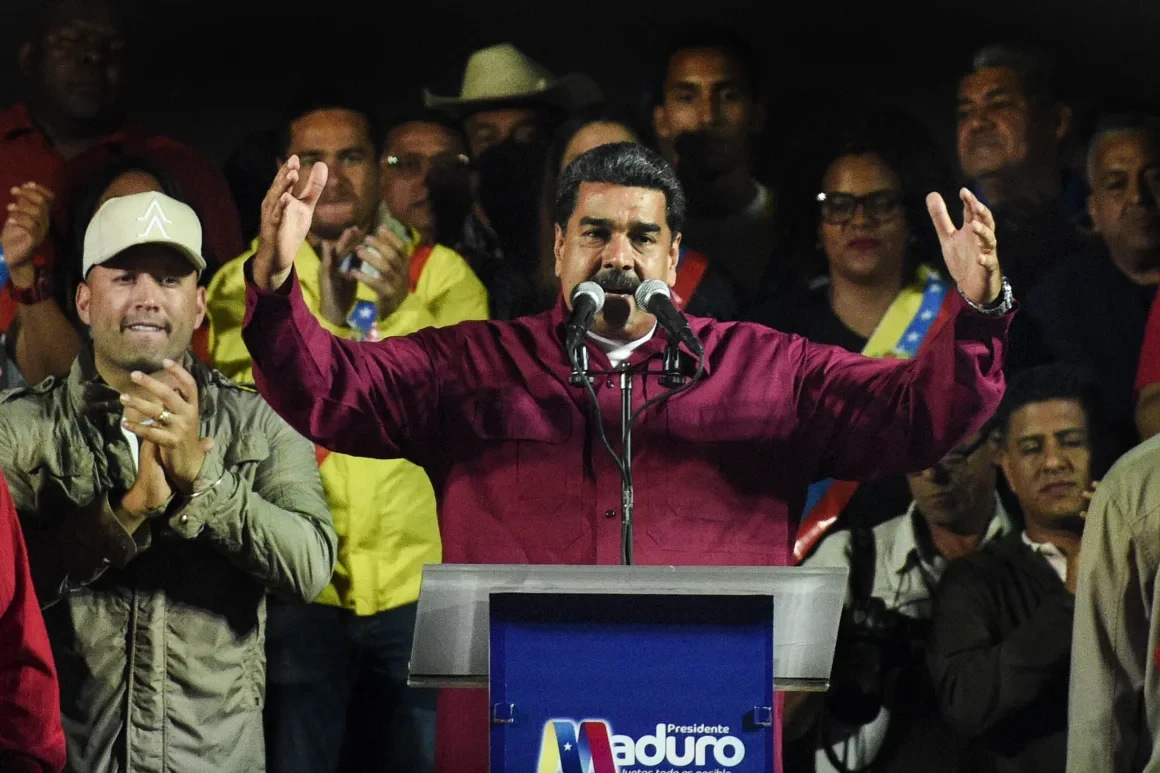
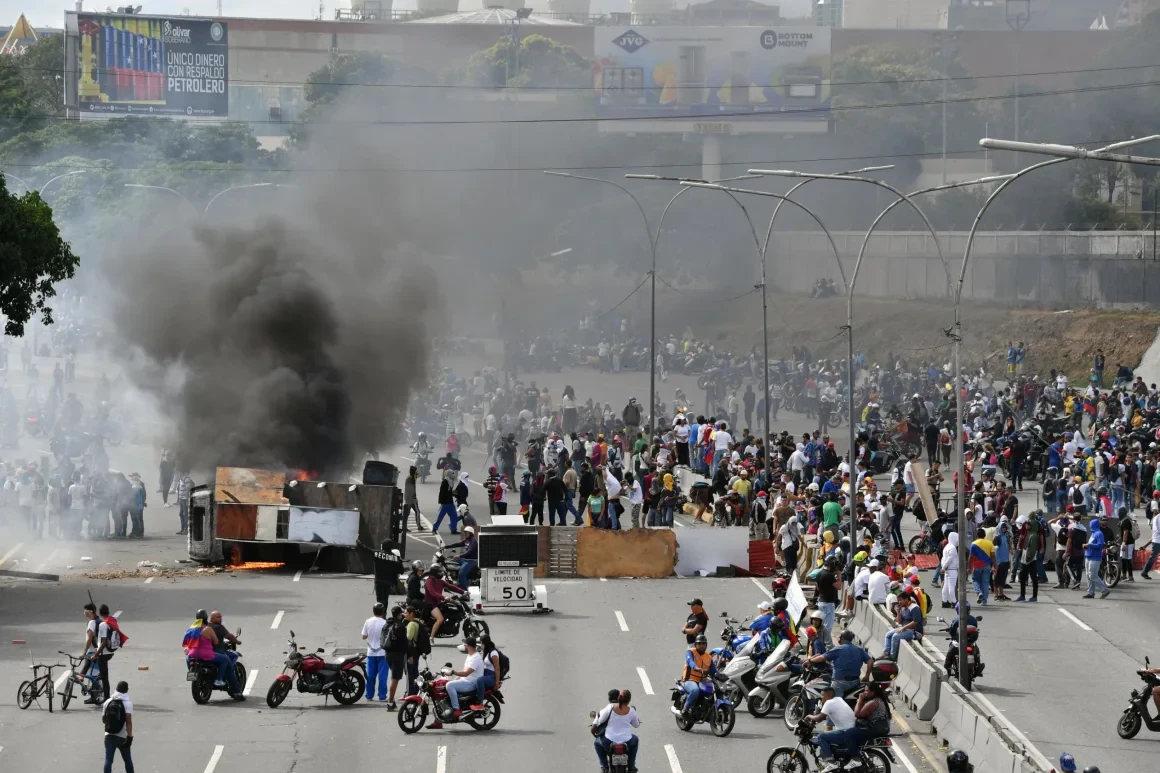
After Chávez’s death, Nicolás Maduro took power amid economic collapse and political unrest. The United States imposed severe economic sanctions, targeting oil exports and financial institutions. Although U.S. officials discussed military options, no invasion occurred. However, operations such as the failed 2020 “Operation Gideon” fueled accusations of American-backed intervention.
The Present Reality and Ongoing Conflict
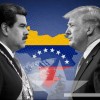
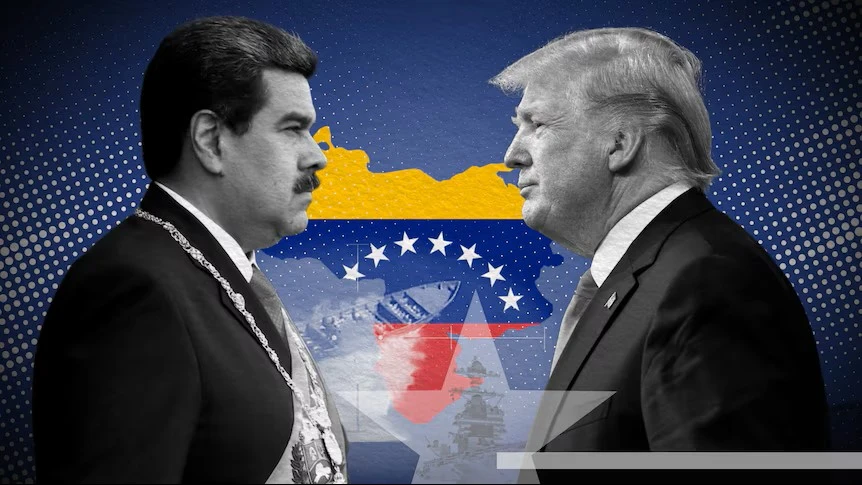
Today, relations between the United States and Venezuela remain tense. Washington recognizes opposition figures, while Caracas accuses the U.S. of economic warfare. The conflict reflects a broader struggle between sovereignty and global power, where Venezuela’s resources continue to play a central role in international politics.
Conclusion
The history of U.S.–Venezuela relations demonstrates that modern conflicts are not always fought with armies and invasions, but through economic leverage, political influence, and strategic pressure. From early oil dominance to contemporary sanctions and diplomatic disputes, the relationship reflects a long-standing power struggle between global interests and national independence. Understanding this dynamic is essential not only for interpreting Venezuela’s current crisis, but also for recognizing how international relations increasingly operate in a world where control is exercised through influence rather than occupation